

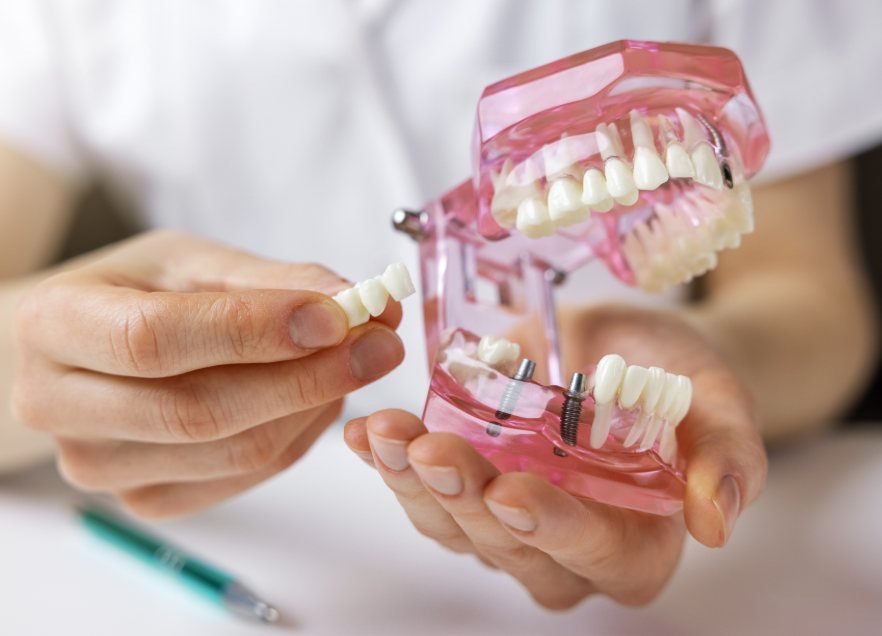
A dental bridge is a reliable solution for replacing one or more missing teeth. By filling the gap left behind by tooth loss, a bridge can restore your smile, improve chewing function, and help maintain proper alignment of your remaining teeth. With good oral hygiene and regular dental care, many dental bridges can last 10 to 15 years or even longer.
However, like any dental restoration, bridges are not indestructible. Understanding what can cause a dental bridge to fail can help you take the right steps to protect your investment and keep your smile healthy for years to come.
Tooth Decay Around Supporting Teeth
One of the most common reasons a dental bridge fails is decay affecting the teeth that support it. These anchor teeth, known as abutment teeth, play a critical role in holding the bridge securely in place.
If plaque and bacteria accumulate around the margins of the bridge, cavities can develop in the supporting teeth. When decay weakens these teeth, the bridge may lose stability and eventually require repair or replacement.
Brushing twice daily, flossing carefully around the bridge, and attending regular dental checkups can help reduce the risk of decay.
Gum Disease and Bone Loss
Healthy gums provide the foundation needed to support both natural teeth and dental restorations. If gum disease develops, the tissues and bone surrounding the supporting teeth can begin to deteriorate.
As gum disease progresses, teeth may become loose and less capable of supporting the bridge. In severe cases, bone loss can compromise the entire restoration.
Routine professional cleanings and good at-home oral care are essential for maintaining healthy gums and protecting your dental bridge.
Physical Damage and Excessive Force
Dental bridges are strong, but they can still be damaged by excessive force. Habits such as chewing ice, biting fingernails, opening packages with your teeth, or grinding and clenching can place significant stress on the restoration.
Over time, this pressure can lead to cracks, fractures, or loosening of the bridge. If you grind your teeth while sleeping, your dentist may recommend a custom nightguard to help protect your restoration.
Poor Fit or Normal Wear Over Time
Even a well-made dental bridge experiences wear as the years pass. Daily chewing and biting create ongoing stress that can gradually affect the restoration.
In some cases, changes in the supporting teeth, gums, or bite may cause the bridge to fit less securely than it once did. An ill-fitting bridge can trap food particles, increase the risk of decay, and create discomfort.
Regular dental visits allow your dentist to monitor the condition of your bridge and identify small issues before they become larger problems.
Accidents and Dental Trauma
Unexpected injuries can also damage a dental bridge. Sports-related impacts, falls, and other accidents may crack, dislodge, or break the restoration.
Wearing a mouthguard during athletic activities can help reduce the risk of dental injuries and protect both your bridge and your natural teeth.
How to Extend the Life of Your Dental Bridge
While some wear is inevitable, many causes of bridge failure are preventable. Maintaining excellent oral hygiene, scheduling routine dental exams, avoiding damaging habits, and addressing dental concerns promptly can all help maximize the lifespan of your restoration.
With proper care, your dental bridge can continue to support your smile, comfort, and confidence for many years.
A little preventive care today can help your dental bridge serve you well for the long term.
About the Practice
Weldon Implant and Cosmetic Dentistry provides comprehensive restorative dental care to help patients rebuild healthy, functional smiles. Dr. Elizabeth Estes Weldon offers customized tooth replacement solutions, including dental bridges, and focuses on preventive care to help restorations last as long as possible. Our experienced dental team works closely with patients to protect their oral health and address concerns before they become more complex.
Call us at (352) 622-3236 or schedule your appointment online.